There is nothing quite like the thrill of a cold start on a V8 engine or the feeling of a perfectly tuned suspension hugging a curve. For many of us in Nebraska, owning a high-performance vehicle isn’t just about transportation—it’s about fulfilling a lifelong dream. However, the market for used performance cars can be a minefield of hidden issues, previous abuse, and expensive repairs if you don’t know what to look for.
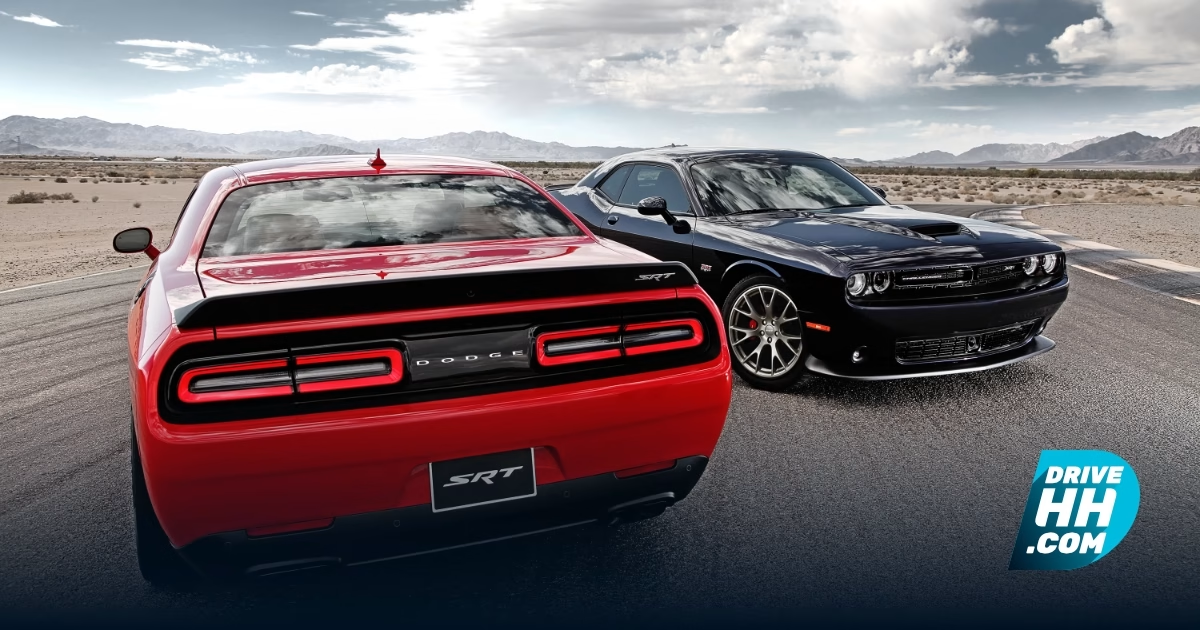
Whether you are hunting for a roaring Dodge Challenger Hellcat, a precision-engineered Chevy Corvette, or the surprisingly agile Kia Stinger GT, buying used requires a different set of rules than buying a daily commuter. In Omaha, where our distinct seasons and road conditions add another layer of complexity, doing your homework is even more critical.
At DriveHH, representing H+H Chevy, H+H Kia, and H+H Jeep Dodge Ram, we have helped thousands of enthusiasts find their dream performance car, especially from our wide selection of used inventory. We’ve compiled this ultimate guide to help you navigate the process, spot the green flags, avoid the red ones, and drive away in a machine that thrills you for all the right reasons.

Check for Midwest Wear and Tear
When shopping for used performance cars in the Midwest, you have to consider the environment. Omaha’s winters can be brutal on vehicles, and our road crews are generous with the salt and brine.
- Winter Storage History: The “Holy Grail” of local performance cars is one that has never seen snow. Ask the seller if the car was stored during the winter. A low-mileage Corvette or Camaro that was garaged from November to March is worth a premium over one that braved I-80 during a blizzard.
- Undercarriage Inspection: If the car was driven year-round, inspect the undercarriage thoroughly. Surface rust on exhaust pipes is common, but deep corrosion on subframes, suspension components, or brake lines can be a deal-breaker.
- Pothole Damage: Omaha’s freeze-thaw cycle creates potholes that can easily bend or crack large wheels with low-profile tires, a combination often found on performance cars. Visually inspect the inner barrel and outer edge of the wheels for bends or cracks. Rough roads can also cause accelerated wear on suspension components; check for that too.
Hunt for a “Bone Stock” Unicorn
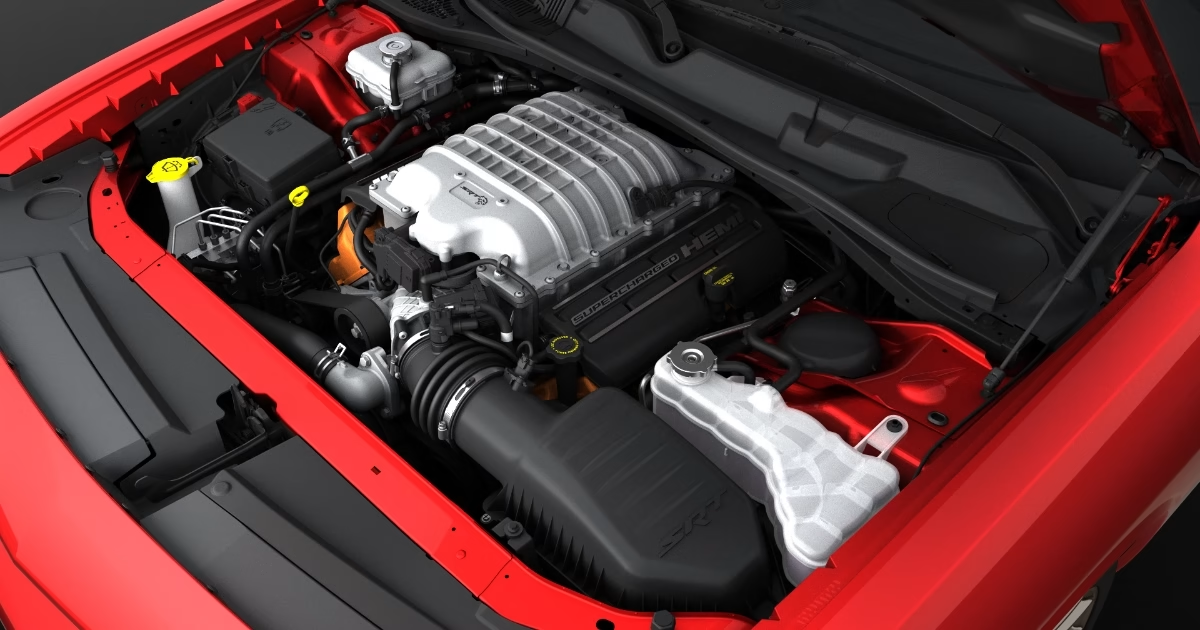
In the world of used performance cars, “stock” is king. In the automotive world, stock simply means unmodified, especially performance-wise. While it might be tempting to buy a car that already has a cold air intake, a custom exhaust, and a computer tune, these modifications can signal that the car has been driven hard, and they may or may not have been professionally or correctly installed.
A car that is completely stock could suggest that the car was driven more mildly, and its performance and reliability are more likely to be up to factory spec, with all the correct parts properly installed. If you want to modify the car, buy it stock and do the work yourself. That way, you know exactly what parts were used and who installed them.
Additionally, it’s easier for you to return the car back to stock if you keep the original parts as you modify it. After all, keeping a car as close as possible to its factory condition from the day it rolled off the conveyor belt is the absolute best way to protect your car’s resale value, whether it’s a performance car or not. For more tips on getting the most value out of your trade-in, check out this post.
Avoid Tunes and Voided Warranties
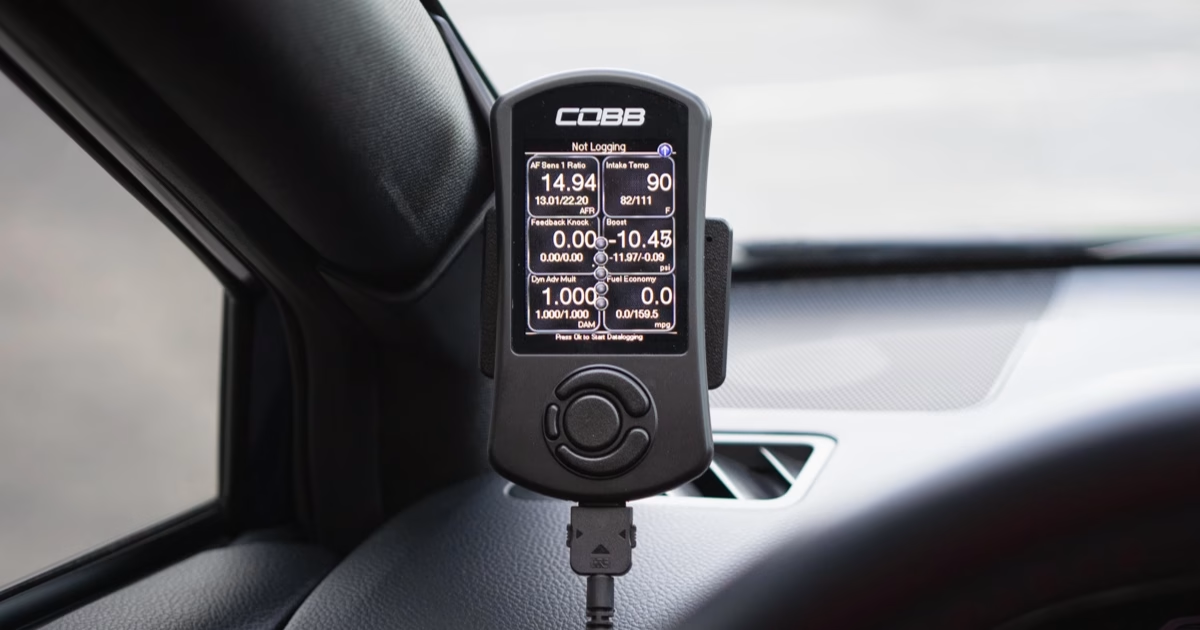
Be incredibly wary of vehicles that have had an ECU tune, also known as a flash or reflash. Modern performance cars have sophisticated computers that log engine parameters; when you reach a certain extent of modification, especially pertaining to intake, exhaust, and fuel delivery, a tune can be heavily recommended or even required for certain part installations.
These tunes can run the engine harder, or at the very least, outside of their factory-engineered specifications. Tunes can be downloaded off-the-shelf or crafted by performance experts, but either way, it’s impossible to guarantee the long-term performance and reliability of a tune you’re unfamiliar with.
Look for an ECU flashing device or a dangling cord plugged into the OBD2 port, or extensive modifications like headers, downpipes, or injectors. Some platforms like the Corvette, Camaro, Charger, and Challenger have very common, popular modifications and off-the-shelf tunes; if you’re into modifying your car, these can be less of a turn-off, but you should remain cautious nonetheless.
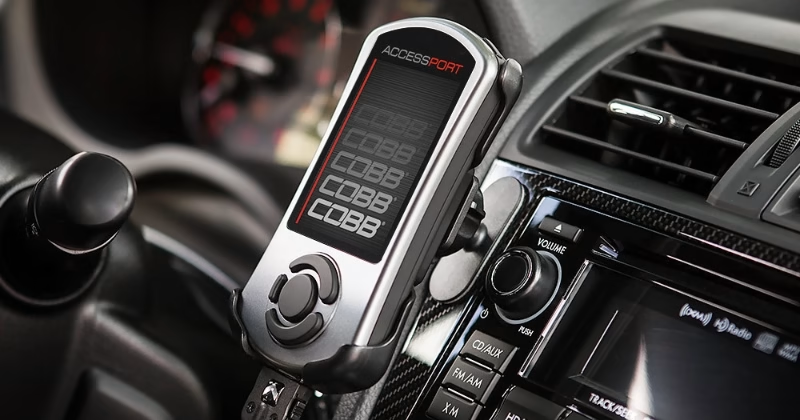
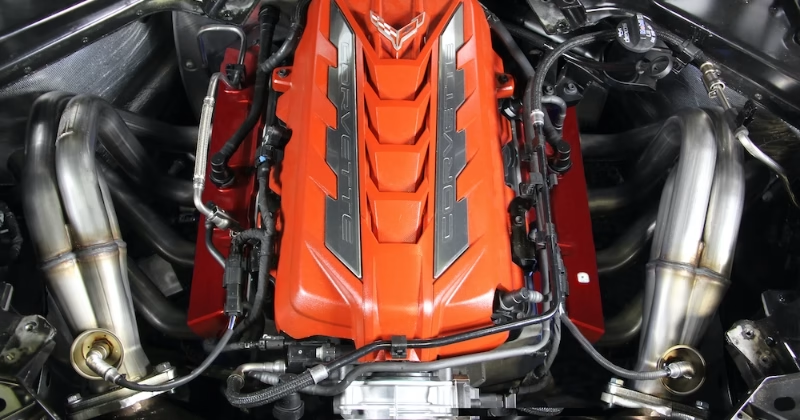
Even if a car has had its tune and modifications removed, that vehicle still has a history of driving with a tune and those modifications, which can cause accelerated wear on critical engine components. Oil analysis and a compression test can gauge whether your next performance car has this issue.
Use a Checklist for Peace of Mind
Because high-performance engines operate under higher stress, temperatures, and pressures than your average sedan, a simple “kick the tires” inspection isn’t enough. When evaluating used performance cars, use this general checklist to gauge the engine’s true health:
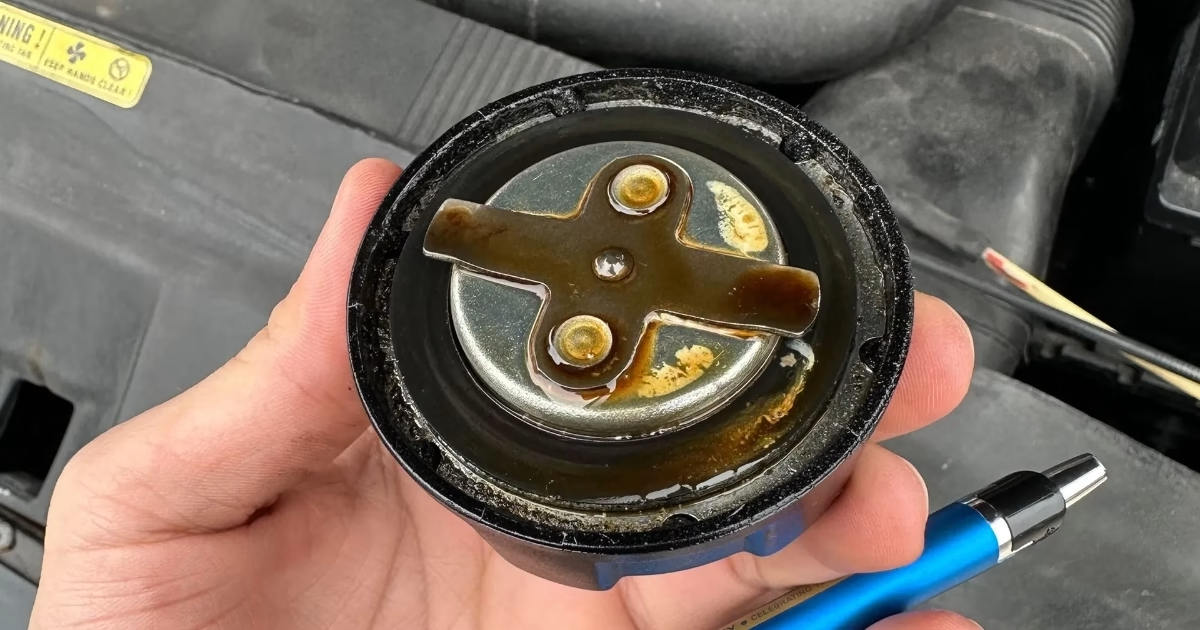
- The Oil Cap Test: Unscrew the oil filler cap. You are looking for two things. First, check for a milky, chocolate-shake-like residue on the bottom of the cap. This indicates moisture in the oil, which could signal a head gasket failure. Second, with the engine running, place the cap loosely over the hole. If it “dances” violently or puffs smoke, the engine may have excessive “blow-by,” indicating worn piston rings.
- Oil Analysis: For absolute peace of mind, take a small sample of the oil during your inspection (or ask the dealer to do so) and send it to a lab. This inexpensive test can reveal microscopic metal shavings (bearing wear), coolant (gasket leaks), or fuel dilution (injector issues) that the naked eye cannot see.
- Compression & Leak-Down Tests: If you are buying a vehicle with high mileage or aftermarket modifications (like a supercharger), request a compression test. This ensures all cylinders are generating equal pressure. A cylinder that is significantly lower than the others is a major red flag for internal damage.
- Transmission Fluid Condition: Pull the transmission dipstick (if equipped) or ask for service records. On modern automatic performance cars, fluid shudder or hesitation at highway speeds can often be traced back to degraded fluid. The fluid should be bright red (usually) and not smell burnt.
- The ECU “Flash” Count: Some modern muscle cars can track how many times their engine computer (ECU) has been rewritten. If you are looking at a late-model performance car, ask a technician to check the flash counter. A high number suggests the car was “tuned” for extra horsepower and then flashed back to stock, which can void the factory warranty.
- Listen to the Valvetrain: On a cold start, listen specifically for “ticking” or “chirping” sounds coming from the top of the engine. While some fuel injectors are naturally noisy, loud rhythmic ticking can indicate worn lifters or camshaft issues—common wear items on big V8s driven hard.

Tires Tell the True Story
Tires are the only part of the car that touches the road, and they are excellent storytellers. When inspecting used performance cars, look at the brand and the wear pattern.
- Brand Mismatch: High-performance cars come with high-performance tires (Michelin, Pirelli, Continental). If you see a Camaro wearing cheap, budget-brand tires, it is a red flag. It suggests the previous owner couldn’t afford or refused to do invest in proper maintenance and high-quality parts.
- Uneven Wear: If the edges of the tires are bald but the inside looks new, or the inverse, the car likely has alignment issues, has been lowered improperly, or has been running inconsistent or incorrect tire pressures.
The Cold Start Check
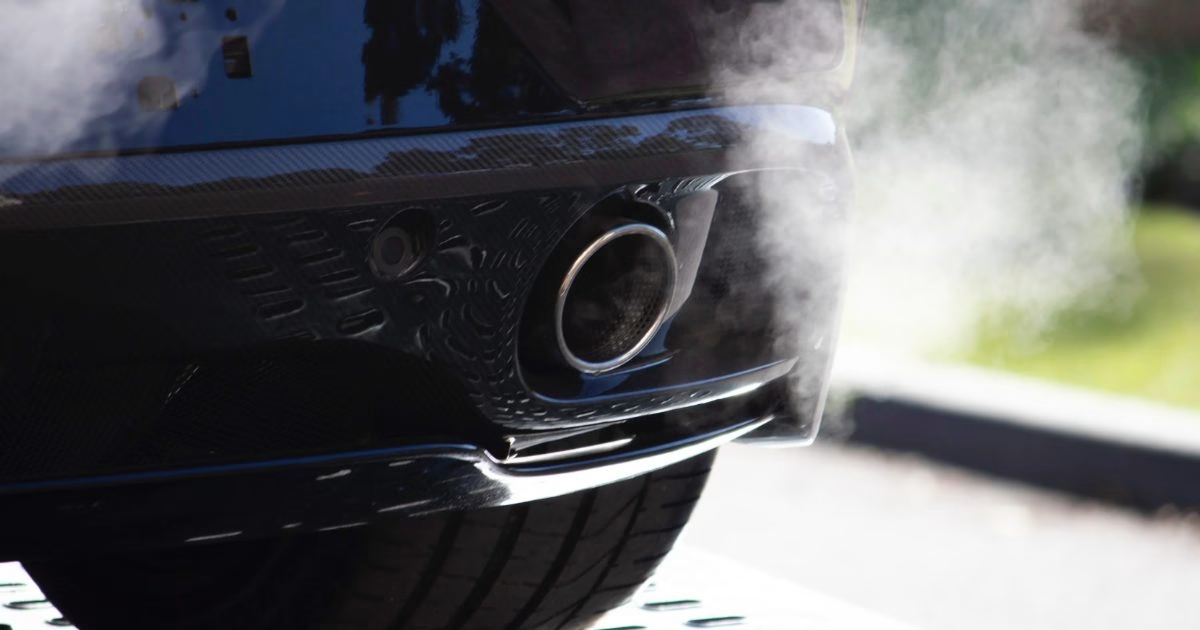
Engines are most vulnerable—and honest—when they are cold. This is when you will hear timing chain rattles, piston slap, or valve noise that might disappear once the oil is warm. Watch the exhaust immediately upon startup.
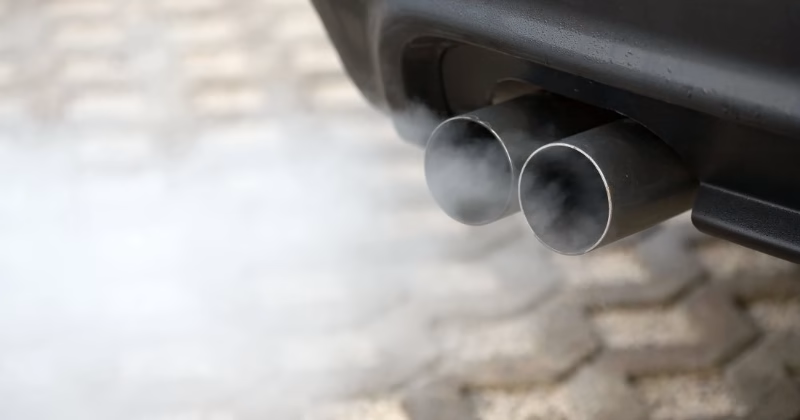

Blue smoke comes from burning oil which could indicate bad seals or heavily worn internal engine components, while thick white smoke that smells sweet comes from burning coolant, which could be a sign of a head gasket leak. Either way, any abnormal amount or color of smoke emanating from the the tailpipes is a bad sign.
Visible emissions from the tailpipe are okay if they’re clear, odorless vapors; these are more visible on extremely cold days, but they can even be slightly visible on a warm day, especially after a cold start.

The Wear vs. Mileage Check
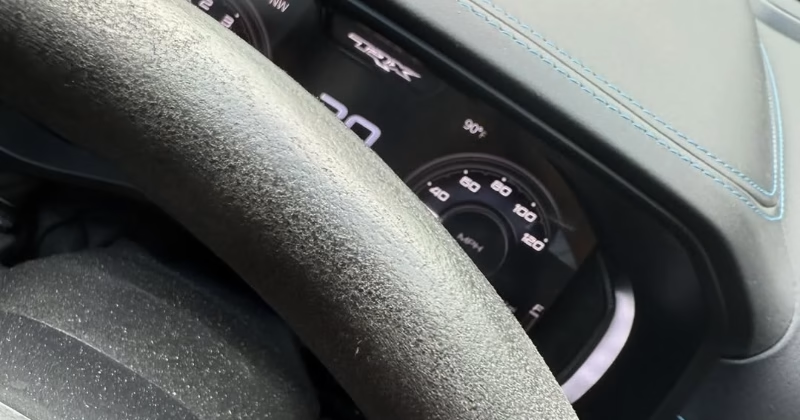
Does the condition of the driver’s seat match the odometer? Is the paint in pristine condition despite having high mileage? These often overlooked visual elements can reveal whether an owner abused or preserved their performance car.
Check for certain signs on the interior of your performance car inquiry to get a better idea of how the car was cared for. Performance cars often have aggressive seat bolsters to hold you in place during cornering; with higher mileage, the material on these bolsters can wear, rip, and deform. A car that was garage kept should have vibrant colors and consistent textures.

On the outside, rock chips, fading, scratches and swirls, accumulating brake dust, and specks of tire rubber can reveal a history of rough usage; these symptoms aren’t unique to high-mileage cars either. An aggressively-driven performance car doesn’t necessarily have to rack up thousands upon thousands of miles. Occasional laps at the track or irresponsible driving on the road can speed up exterior wear and tear.

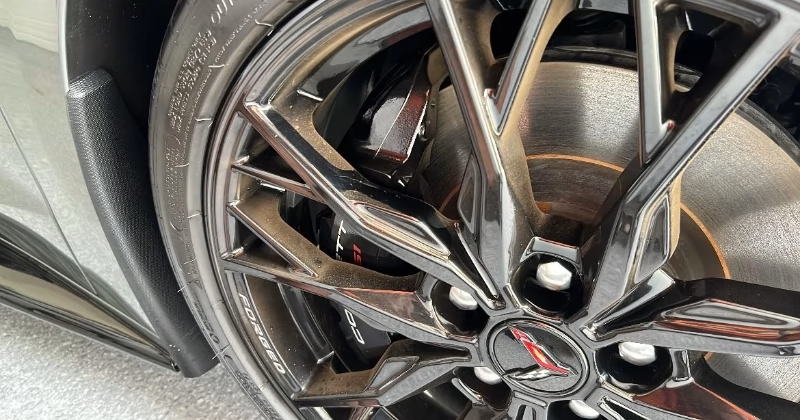
Inside or out, the mileage on the dash doesn’t tell the entire story about a car, especially in the high-performance sector. The lifestyle and driving habits of an owner will show up in subtle details that you’re now prepared to look for on your next performance purchase.
Shop Certified Pre-Owned at H+H
Performance cars are complex, but at H+H, each of our Certified Pre-Owned vehicles undergoes a rigorous 72-point inspection before being given the Certified label. They’re also backed by a 12-month limited warranty, lest you encounter any hiccups in your first year of ownership.
Frequently Asked Questions (FAQs)
1. Are used performance cars reliable for daily driving in Omaha?
The truth is, it depends. Modern muscle cars like the Dodge Charger or sports sedans like the Kia Stinger are built for daily use. However, you may want to invest in a dedicated set of winter tires if you plan to drive them year-round in Nebraska. Plus, if you’re worried about the resale value or potential collectibility of your purchase, or watching your repair and maintenance spending, keeping your car’s mileage low is in your best interest.
2. What mileage should I look for in a used performance car?
Again, that answer depends on the type of performance car you’re looking at. Modern American V8s can be extremely dependable. However, if you’re looking to save some money by buying a higher mileage performance car, you likely won’t be able to shop Certified Pre-Owned. At H+H, we highly recommend shopping vehicles that have passed our rigorous 72-point inspection and earned that Certified Pre-Owned label.
3. Can I service my performance car at H+H even if I didn’t buy it there?
Absolutely. Our service centers at H+H Chevy, H+H Kia, and H+H Jeep Dodge Ram are equipped to handle maintenance and repairs on all makes and models, with specially-certified and experienced technicians for our core brands.
4. What modifications void a car’s warranty?
Unfortunately, this is another answer that depends on the situation. Certain makes and platforms may allow you to modify your car without voiding your warranty, and may even offer a specific parts catalog for warranty-compliant parts. It’s best to know the ins-and-outs of your warranty agreement before modifying your vehicle under that warranty.
Find Your Next Pre-Owned Performance Car at H+H
Finding the perfect performance car is a journey, but you don’t have to go it alone. Whether you are looking for American muscle, a nimble import, or a high-performance truck, our team is here to help.
Ready to start your search? Click to browse our inventory of Certified Pre-Owned cars at H+H Chevy, H+H Kia, or H+H Jeep Dodge Ram.