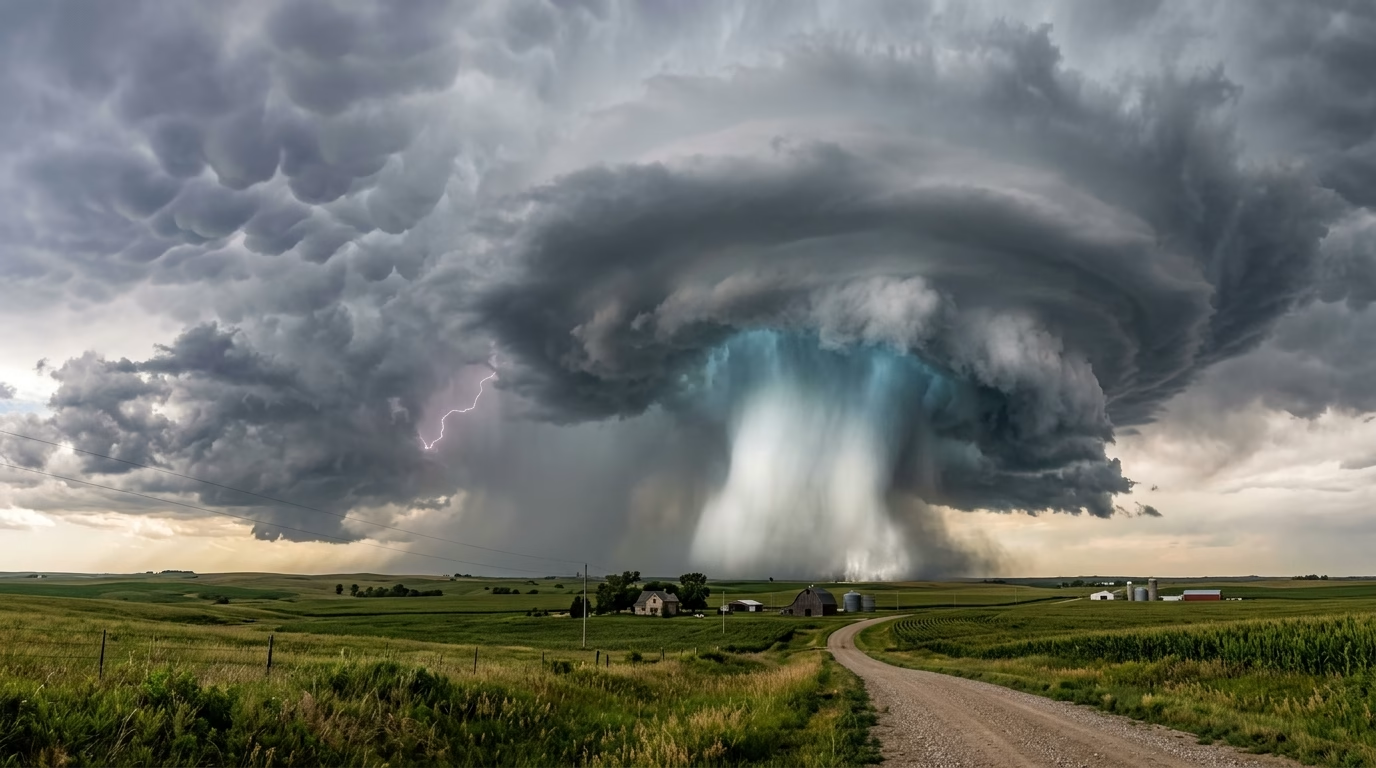
If you’ve lived in Omaha for more than one spring, you already know the drill. The sky turns that particular shade of greenish-gray, your phone starts screaming alerts, and somewhere in the back of your mind, you remember your car is sitting in the driveway. Again.
Hail is one of the most frustrating weather hazards for vehicle owners in the Midwest — partly because it’s unpredictable, partly because the damage is so visible, and partly because a good-sized storm can happen fast.
According to the National Oceanic and Atmospheric Administration (NOAA), Nebraska consistently ranks among the top states for damaging hail events each year, and the greater Omaha metro is squarely in what meteorologists sometimes call “Hail Alley.”
The good news? There are real, practical ways to protect your vehicle — before, during, and after a storm. This guide walks you through all of it.
In This Post
Why Hail Is Such a Big Deal for Cars
Hail damage isn’t just cosmetic (though the dents and dings are certainly annoying). A major hailstorm can:
- Crack or shatter windshields and side windows
- Dent hoods, roofs, trunk lids, and door panels
- Strip paint, leaving metal exposed to rust
- Damage mirrors, antennae, and exterior trim
- In severe cases, total a vehicle outright
The size of the hailstone makes a significant difference in the level of damage you can expect:
| Hail Size | Approximate Diameter | Potential Vehicle Damage |
|---|---|---|
| Pea | 0.25 inches | Minimal to none |
| Marble / Mothball | 0.50–0.75 inches | Light dents on soft panels |
| Dime / Penny | 0.75 inches | Noticeable dents, possible paint damage |
| Quarter | 1.00 inch | Significant denting across multiple panels |
| Half Dollar | 1.25 inches | Severe denting, possible glass damage |
| Golf Ball | 1.75 inches | Extensive damage, glass breakage likely |
| Baseball | 2.75 inches | Catastrophic damage, potential total loss |
In Omaha and the surrounding area, quarter-to-golf-ball-sized hail is not uncommon during active storm seasons, typically running from late spring through early fall.
Before the Storm: Proactive Protection Steps
The best hail protection happens before the first cloud builds. Here’s what you can do ahead of time.
1. Park in a Covered Space Whenever Possible
This is the single most effective thing you can do. If you have access to a garage — use it consistently, not just when storms are in the forecast. Hail storms in Nebraska can develop and move quickly, sometimes leaving little time to react.
If you don’t have a garage:
- Look into neighborhood storage facilities that offer covered parking
- Some apartment complexes and workplaces offer covered spots — it’s worth asking
- A carport, even an open-sided one, provides meaningful protection against all but the most wind-driven hail
2. Invest in a Quality Hail Protection Car Cover
Dedicated hail-protection car covers are a real product category, and for good reason. They’re made from multi-layered, padded materials designed to absorb impact. They’re not cheap — quality covers typically run $150–$400 depending on your vehicle size — but that’s a fraction of what even a moderate hail claim can cost in out-of-pocket expenses.
What to look for in a hail cover:
- Multi-layer construction (foam or airbag-style padding)
- Vehicle-specific fit or a snug universal fit
- Tie-down straps or a drawstring system to keep it from blowing off in wind
- A carrying case so it’s easy to store in your trunk
3. Know Your Insurance Coverage
Before hail season kicks into full gear, take a few minutes to review your auto insurance policy.
| Coverage Type | Does It Cover Hail? | Notes |
|---|---|---|
| Liability Only | No | Covers damage you cause to others, not your own vehicle |
| Collision | No | Covers accidents, not weather events |
| Comprehensive | Yes | Hail is a covered peril under most comprehensive policies |
Hail damage falls under comprehensive coverage, not collision. If you’ve dropped comprehensive to save money — especially on an older vehicle — you may be paying out of pocket if a storm hits. It’s worth a conversation with your insurance agent before storm season.
Also check your deductible. A $1,000 deductible on a $1,200 repair means you’re largely self-insuring anyway.
4. Sign Up for Weather Alerts
- NWS Omaha (weather.gov/oax) issues severe thunderstorm and hail warnings
- The Weather Channel and AccuWeather apps both offer push notifications for severe weather
- Douglas County Emergency Management has local alert sign-ups
- Many newer vehicles have weather alert integrations through their infotainment systems
The more lead time you have, the more options you have.
During the Storm: If You’re Caught Off Guard
Sometimes storms move in faster than expected and you’re already out when it hits. Here’s how to handle it:
If You’re Driving
- Pull over safely — don’t try to outrun hail, especially at highway speeds where impact damage is significantly worse
- Look for covered structures: gas station canopies, parking garages, overpasses (use caution and be aware of other vehicles doing the same)
- If no cover is available, angle your vehicle so the hail hits the front windshield rather than the roof or side panels — windshields are designed to be more impact-resistant
- Stay inside the vehicle; hailstones can cause serious injury
If You’re at Home
- Move vehicles into the garage immediately if you have one
- If not, a hail blanket or even thick moving blankets can provide some protection in a pinch
- Floor mats placed over the hood and roof won’t stop damage but may reduce it slightly
Things to Avoid
- Don’t leave your vehicle running in an enclosed garage with the door closed
- Don’t try to cover your car with tarps or thin materials in high wind — they can blow off and scratch the paint or break glass themselves
After the Storm: Assessing and Responding to Damage
Once the storm passes, here’s a step-by-step approach:
1. Do a full walk-around in good lighting Check the hood, roof, trunk lid, and door panels for dents. Look at all glass carefully — small cracks can spread quickly. Don’t forget mirrors and the antenna.
2. Document everything before moving the vehicle Take photos and video from multiple angles. This protects you during the insurance claims process.
3. Contact your insurance company promptly Hail events often create surges in claims, and repair shops can get backed up fast. Getting your claim filed quickly means you’re earlier in the queue.
4. Get a repair estimate from a reputable shop After major regional storms, out-of-area “storm chasers” (auto body shops, not meteorologists) often flood the market with aggressive offers. Be cautious. Stick with established, locally reviewed shops.
5. Understand your repair options
| Repair Method | Best For | Cost Range | Notes |
|---|---|---|---|
| Paintless Dent Repair (PDR) | Small to medium dents without paint damage | $75–$150 per dent | Preserves original paint, faster turnaround |
| Traditional Body Work | Deep dents, paint damage, complex panels | $300–$1,500+ per panel | May affect resale value slightly |
| Full Panel Replacement | Severely damaged panels | Varies widely | Often covered under comprehensive with deductible |
| Glass Replacement | Cracked or shattered windows | $200–$1,000+ | May have separate glass coverage; check your policy |
Hail Protection Products Worth Knowing About
| Product Type | Price Range | Effectiveness | Best Use Case |
|---|---|---|---|
| Multi-layer hail car cover | $150–$400 | High | Regular outdoor parkers |
| Airbag-style hail blanket | $200–$500 | Very High | Frequent severe weather areas |
| Basic universal car cover | $30–$80 | Low | Light weather only; not hail-specific |
| Portable carport canopy | $150–$600 | Medium-High | Homeowners without a garage |
| Garage parking sensor | $20–$60 | N/A | Helps you actually use your garage consistently |
A Note for Omaha Residents Specifically
Omaha sits in a part of the country where severe weather is simply part of life. The local NWS office (based in Valley, NE) does an excellent job of tracking and communicating storm threats, and community awareness here tends to be high.
That said, a few Omaha-specific reminders:
- Dodge Street and West Dodge corridor areas have seen several significant hail events in recent years due to storm track patterns
- Construction zones around the metro can limit your options for pulling off safely — know alternate routes during storm season
- Many Omaha-area HOAs have restrictions on permanent carport or canopy structures — check before you install
- Local body shops get extremely busy after regional hail events; having a relationship with a trusted shop before you need one is a real advantage
FAQ
Q: Does hail damage always need to be repaired? A: Not necessarily — small, shallow dents that don’t involve paint damage are often left as-is, especially on older vehicles. However, any damage that breaks the paint seal should be addressed to prevent rust. Cracked or chipped glass should always be repaired promptly, as damage spreads with temperature changes.
Q: Will filing a hail claim raise my insurance rates? A: Hail is considered a “not-at-fault” claim under comprehensive coverage, so in most cases it should not directly raise your rates the way an at-fault accident would. That said, multiple comprehensive claims over a short period can sometimes affect premiums depending on your insurer. Ask your agent how your specific policy handles it.
Q: How quickly does hail damage need to be repaired? A: There’s no universal deadline, but sooner is better for two reasons: (1) exposed metal will begin to rust, and (2) repair shops fill up fast after major regional events. Most insurers also prefer timely repairs after a claim is filed.
Q: Can I use a regular car cover for hail protection? A: Standard car covers offer little to no protection against hail — they’re too thin to absorb impact. You need a cover specifically designed and marketed for hail protection, which uses multiple layers of foam, padding, or inflatable airbag-style construction.
Q: Is Paintless Dent Repair (PDR) as good as traditional body work? A: For hail dents specifically — yes, in many cases PDR is the preferred method. It’s faster, less expensive, and preserves your original factory paint finish. However, PDR only works on dents where the paint is still intact. If the paint is cracked or chipped, traditional body work or panel replacement may be necessary.
Q: What hail size typically starts causing real damage? A: Most auto body professionals put the threshold around 1 inch (quarter-sized). At that size, you’ll typically see noticeable denting on softer panels like the hood and roof. Below that, damage depends heavily on the density of the hail, wind speed, and the angle of impact.
Q: Does my comprehensive coverage cover glass damage from hail? A: Usually yes — hail damage to glass is covered under comprehensive. Some policies have a separate glass coverage rider with a lower or zero deductible. Review your specific policy or call your agent to confirm.
Q: What if my car is totaled by hail? A: If the cost to repair exceeds the actual cash value (ACV) of your vehicle, your insurer may declare it a total loss. You’d receive the ACV minus your deductible. If you have a loan or lease, gap insurance would cover any difference between the ACV and what you still owe.
References
- National Oceanic and Atmospheric Administration (NOAA) — Severe Weather Statistics and Hail Reports: https://www.noaa.gov
- National Weather Service — Omaha/Valley, NE Office: https://www.weather.gov/oax
- Insurance Information Institute — Comprehensive Auto Coverage Overview: https://www.iii.org/article/what-is-covered-by-a-basic-auto-insurance-policy
- National Insurance Crime Bureau (NICB) — Hail Claims Data: https://www.nicb.org
- Consumer Reports — Car Cover Buying Guide: https://www.consumerreports.org
- Douglas County Emergency Management — Local Alert Sign-Up: https://www.dcema.com
- CARFAX — How Hail Damage Affects Vehicle Value: https://www.carfax.com