Best Used Car Buying Tips: Technician Secrets You Need to Know
Buying a used car can feel like a gamble—but it doesn’t have to be. The Best Used Car Buying Tips don’t come from flashy ads or dealership slogans—they come from the people who see vehicles at their worst and best: technicians. These are the folks who know exactly what fails, what lasts, and what to avoid.
Whether you’re shopping around Omaha or anywhere else, these insider tips will help you make a confident and informed decision.
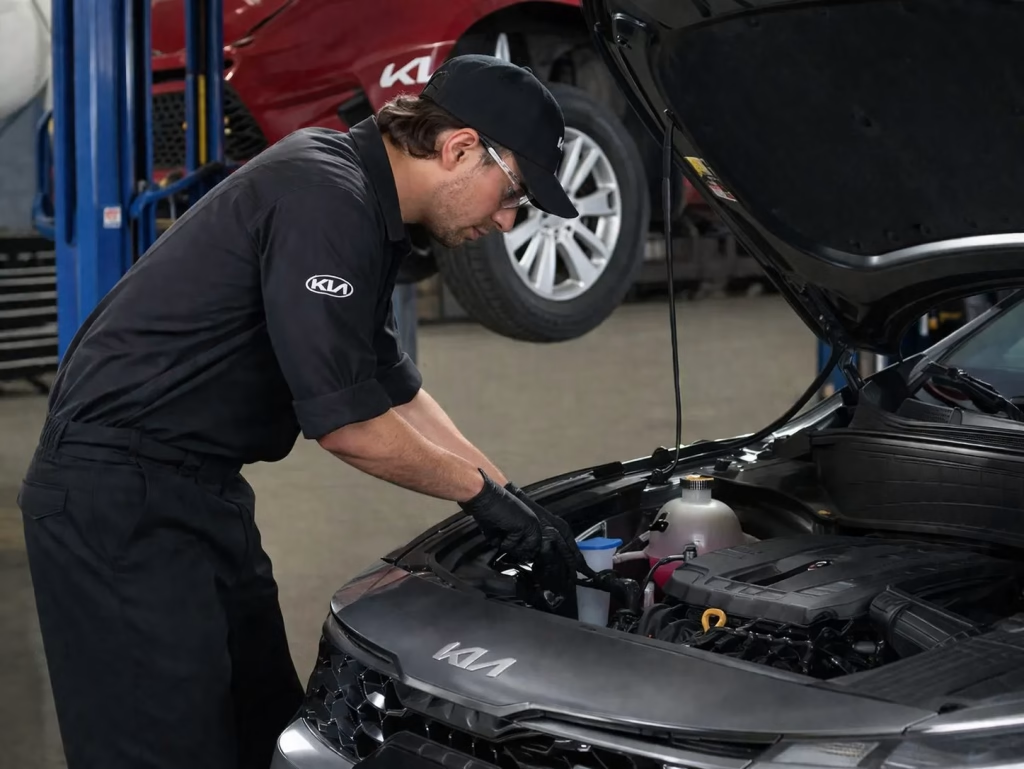
Table of Contents
- Why Technician Advice Matters
- Best Used Car Buying Tips for Inspection
- Test Drive Like a Pro
- Vehicle History Reports: What to Look For
- Red Flags Technicians Always Notice
- Cost of Ownership Considerations
- Quick Reference Table
- Final Thoughts
Why Technician Advice Matters
Technicians don’t just fix cars—they diagnose patterns. They know which engines burn oil early, which transmissions slip, and which brands hold up over time. Following the Best Used Car Buying Tips from technicians means you’re learning from real-world failures—not just marketing promises.
Pro Insight: A car that looks clean can still hide expensive problems under the hood.
Best Used Car Buying Tips for Inspection
Visual Inspection
Start with a walkaround. Technicians recommend checking:
- Uneven tire wear → Could indicate alignment or suspension issues
- Paint inconsistencies → May signal previous accidents
- Fluid leaks → Look under the car after it’s been parked
Bold Tip: Always inspect the car in daylight—never at night.
Under the Hood Matters More
You don’t need to be a mechanic to spot problems:
- Check oil color (shouldn’t be milky or pitch black)
- Inspect battery corrosion
- Look for cracked belts or hoses
These small checks align with the Best Used Car Buying Tips technicians use daily.
Test Drive Like a Pro
The Test Drive Checklist
A quick spin around the block isn’t enough. Technicians suggest:
- Drive at multiple speeds
- Test braking hard (safely)
- Listen for clicking, grinding, or knocking sounds
- Turn the wheel fully to check for CV joint noise
Important: Turn off the radio. Silence helps you hear problems.
Vehicle History Reports: What to Look For
Reports That Matter
Always pull a vehicle history report. Look for:
- Accident history
- Title issues (salvage/rebuilt)
- Service records consistency
Helpful external resources:
- <a href=”https://www.carfax.com” rel=”follow”>Carfax Vehicle History Reports</a>
- <a href=”https://www.autocheck.com” rel=”follow”>AutoCheck Reports</a>
These tools support the Best Used Car Buying Tips by giving you a paper trail.
Red Flags Technicians Always Notice
Warning Signs You Should Never Ignore
Technicians often say the same things:
- Freshly cleaned engine bay → Could be hiding leaks
- Strong air fresheners → May mask mold or smoke
- Dashboard warning lights → Never ignore them
Bold Truth: If something feels off, it probably is.
Cost of Ownership Considerations
Think Beyond the Price
The purchase price is just the beginning. Consider:
- Insurance rates
- Fuel efficiency
- Maintenance costs
- Parts availability
In areas like Omaha, seasonal weather (hot summers, cold winters) can impact wear and tear—making reliability even more important.

Quick Reference Table
| Category | What to Check | Why It Matters | Technician Insight |
|---|---|---|---|
| Exterior | Paint, tires, body panels | Reveals accidents or neglect | Uneven gaps = prior damage |
| Engine | Oil, belts, battery | Indicates maintenance level | Dirty engine ≠ bad, too clean = suspicious |
| Test Drive | Noise, braking, handling | Shows real-time performance | Always drive at highway speed |
| Interior | Smell, electronics, wear | Reflects overall care | Excess wear = high usage |
| History Report | Accidents, ownership, service records | Confirms background | Missing records = risk |
| Underneath | Leaks, rust | Hidden structural issues | Rust is expensive to fix |
Final Thoughts
The Best Used Car Buying Tips all come down to one thing: slow down and inspect everything. Technicians consistently emphasize that rushing into a purchase is the biggest mistake buyers make.
If you take the time to inspect, test drive properly, and research history, you’ll dramatically reduce your risk—and potentially save thousands.
And remember, whether you’re shopping locally in Omaha or browsing online, these tips apply everywhere.
- Find out how much your trade is worth at:
- See pre-owned inventory here:
Other Resources
National Highway Traffic Safety Administration (NHTSA)
Articles you may be interested in: